
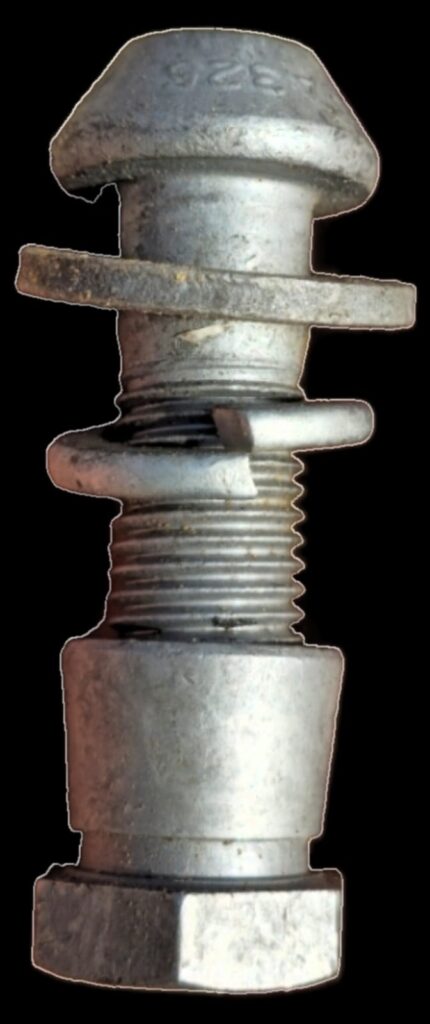
Anti-Theft Bolts in Overhead Transmission Towers
Structural Function, Mechanical Behavior, and Application in Transmission Systems
Overhead transmission towers are critical infrastructure used to support high-voltage power lines across long distances. These towers are assembled using hundreds or even thousands of structural bolts that connect steel members and ensure the tower can withstand mechanical loads.
However, in many regions, bolt theft or unauthorized removal of tower hardware has become a serious concern. To address this issue, power utilities use anti-theft bolts, also known as shear-head security bolts, which are specifically designed to prevent tampering after installation.
This article explains the design, working principle, structural function, and application of anti-theft bolts in overhead transmission towers, particularly in systems built according to Saudi Electricity Company (SEC) transmission standards.
Importance of Bolted Connections in Transmission Towers
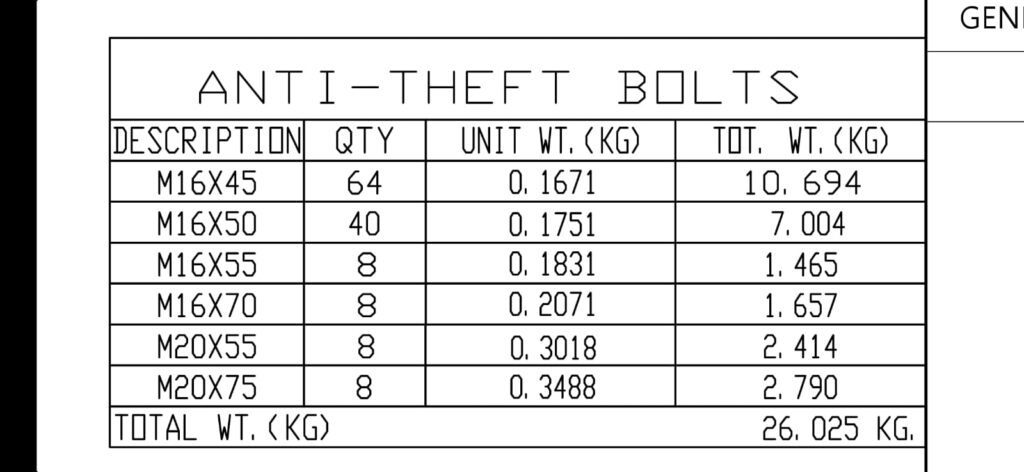
Steel lattice transmission towers rely on bolted connections to maintain structural stability.
A typical overhead transmission tower may contain 500 to more than 2000 bolts, depending on tower design and voltage level.
These bolts are responsible for transferring several types of structural loads, including:
- Conductor tension forces
- Wind loads on conductors and tower members
- Broken conductor conditions
- Tower erection loads
- Maintenance loads
- Environmental stresses
Because these fasteners are essential for load transfer, removal of even a few bolts from critical joints can significantly weaken tower stability.
To prevent such risks, utilities increasingly adopt security fasteners like anti-theft bolts in vulnerable sections of transmission towers.
What Are Anti-Theft Bolts?
Anti-theft bolts are specialized structural fasteners designed to prevent unauthorized removal after installation.
They use a breakaway head mechanism, which detaches when the required tightening torque is achieved. Once the head breaks off, the remaining bolt body cannot be removed using conventional tools.
These bolts are commonly known as:
- Anti-theft bolts
- Security bolts
- Shear-head bolts
- Breakaway bolts
They are widely used in transmission towers, infrastructure projects, railways, and public installations where tampering must be prevented.
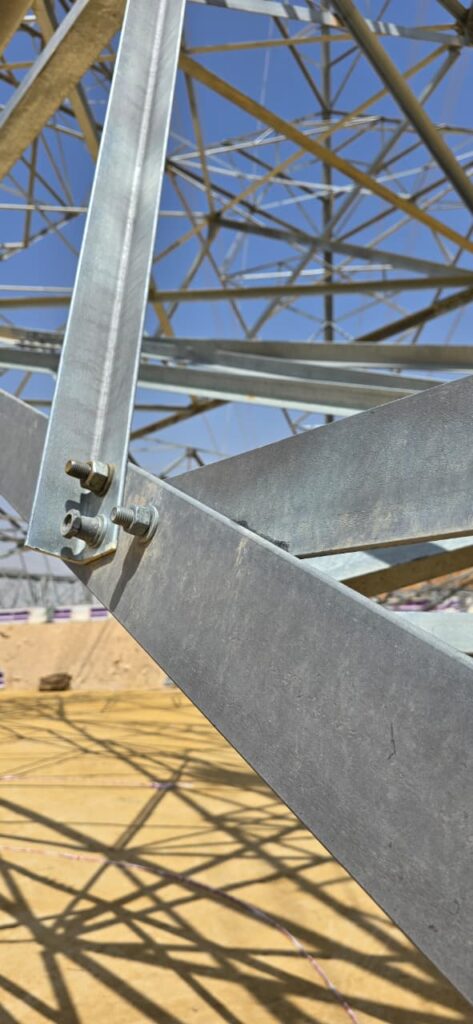
Mechanical Design of Anti-Theft Bolts
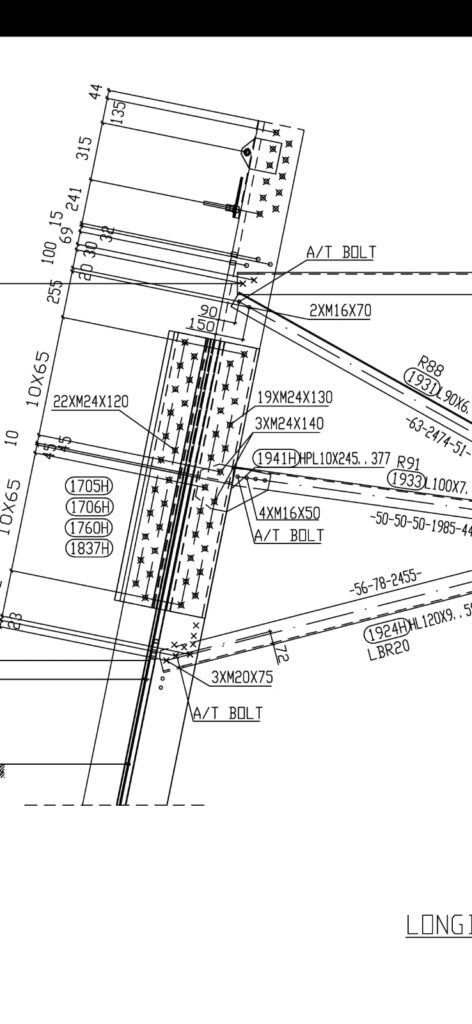
Material Properties
Anti-theft bolts used in transmission towers are typically manufactured from high-strength carbon steel or alloy steel.
Common fastener standards include:
- ISO 898-1 – Mechanical properties of carbon steel fasteners
- ASTM A307 – Carbon steel bolts
- ASTM A325 – High-strength structural bolts
To ensure durability in outdoor environments, tower bolts are usually hot-dip galvanized, providing excellent corrosion resistance.
Breakaway Shear-Head Mechanism
The key feature of anti-theft bolts is their shear-head design.
The bolt consists of:
- A temporary installation head
- A reduced shear groove
- The permanent bolt body
During installation:
- Torque is applied to the installation head.
- Stress builds at the shear groove.
- Once the required torque is reached, the head breaks off intentionally.
After the head breaks:
- No gripping surface remains
- Standard tools cannot remove the bolt
- Unauthorized disassembly becomes extremely difficult
This design ensures both correct tightening torque and anti-tampering protection.
Installation Procedure for Anti-Theft Bolts
Proper installation is essential for achieving both structural performance and security functionality.
Typical installation steps include:
- Insert the bolt through the connected steel members.
- Place washers as required.
- Thread the nut onto the bolt.
- Tighten using a wrench or torque tool.
- Continue tightening until the shear head breaks off.
The breakaway of the head indicates that the required installation torque has been reached.
Where Anti-Theft Bolts Are Used in Transmission Towers
Anti-theft bolts are typically installed in areas that are easily accessible from ground level.
Common locations include:
- Lower tower leg panels
- Ground-level cross bracing
- Anti-climbing zones
- Towers near roads or populated areas
In many transmission construction practices, including those used in SEC transmission projects, anti-theft bolts are often installed up to approximately 3 meters above ground level.
This height corresponds to the highest risk zone for vandalism or unauthorized access.
Advantages of Anti-Theft Bolts in Transmission Towers
Improved Infrastructure Security
Anti-theft bolts significantly reduce the risk of bolt theft or structural tampering.
Better Structural Reliability
By preventing bolt removal, these fasteners help maintain complete structural connections and proper load distribution.
Reduced Maintenance Costs
Utilities experience fewer inspections and hardware replacements due to reduced bolt theft.
Installation Quality Assurance
The breakaway head mechanism ensures the bolt is tightened to the correct torque level, improving installation reliability.
Maintenance Considerations
While anti-theft bolts provide strong security benefits, they can create challenges during maintenance.
Difficult Removal
Since the bolt head is removed during installation, removal usually requires:
- Drilling
- Grinding
- Cutting tools
Replacement Requirement
Once removed, the bolt must be replaced with a new anti-theft fastener.
Despite these challenges, utilities consider the benefits of anti-theft bolts to outweigh maintenance difficulties.
Application in SEC Transmission Systems
The Saudi Electricity Company (SEC) follows strict engineering standards for transmission line construction.
These standards include specifications related to:
- Structural tower materials
- Bolt mechanical properties
- Galvanization requirements
- Installation procedures
In many SEC transmission projects, anti-theft bolts are installed in the lower sections of transmission towers to prevent hardware theft and improve infrastructure protection.
This approach helps maintain the long-term reliability and safety of the transmission network.
Future Developments in Transmission Tower Fasteners
As transmission infrastructure evolves, new technologies are being explored to improve structural security.
Future innovations may include:
- Tamper-resistant fasteners with special drive systems
- Proprietary bolt heads requiring unique tools
- Smart monitoring systems detecting bolt removal
These technologies aim to enhance the security and reliability of modern power transmission networks.
Conclusion
Anti-theft bolts play an important role in protecting overhead transmission towers from unauthorized hardware removal. Their breakaway shear-head design ensures both correct installation torque and strong tamper resistance.
By installing anti-theft bolts in accessible tower zones, utilities such as the Saudi Electricity Company (SEC) improve the security, reliability, and structural safety of their transmission infrastructure.
As transmission systems continue to expand globally, the use of advanced security fasteners will remain an essential part of modern overhead transmission line design and construction.
References
- Saudi Electricity Company (SEC). Engineering Standard – Steel Structures and Towers.
- SEC Transmission Construction Specification – Overhead Transmission Lines.
- IEC 60826. Design Criteria for Overhead Transmission Lines.
- ASCE Manual of Practice No. 74. Guidelines for Electrical Transmission Line Structural Loading.
- ISO 898-1. Mechanical Properties of Fasteners Made of Carbon Steel and Alloy Steel.
- ASTM A307. Standard Specification for Carbon Steel Bolts and Studs.
- ASTM A325. Standard Specification for Structural Bolts.
- IEEE Power Engineering Society. Transmission Line Design Guidelines.

Eng. Mohamed Essam
Senior Civil Construction Engineer | Infrastructure & OHTL SpecialistNationality: Egyptian
LinkedIn Profile
Eng. Mohamed Essam is a Civil Engineer with over 10 years of experience in the execution and management of infrastructure projects, including substation works and high-voltage transmission lines (OHTL). He is currently leading the execution of a 380 kV Transmission Tower project within the Qiddiya Project in Riyadh, one of the Kingdom’s most prominent national initiatives.
Known for precision in field execution, strong coordination with technical teams, and a solid commitment to the highest standards of quality and safety.
LOOKING FOR PLS CADD TRAINING ?
REACH OUT TO US admin@ohtldesign.com


