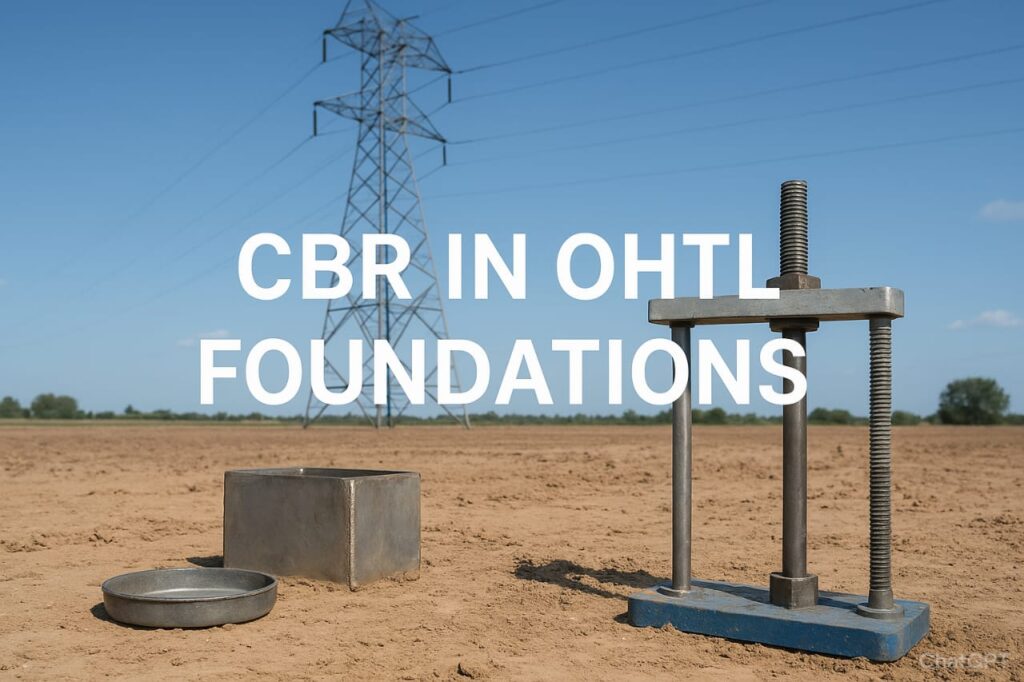
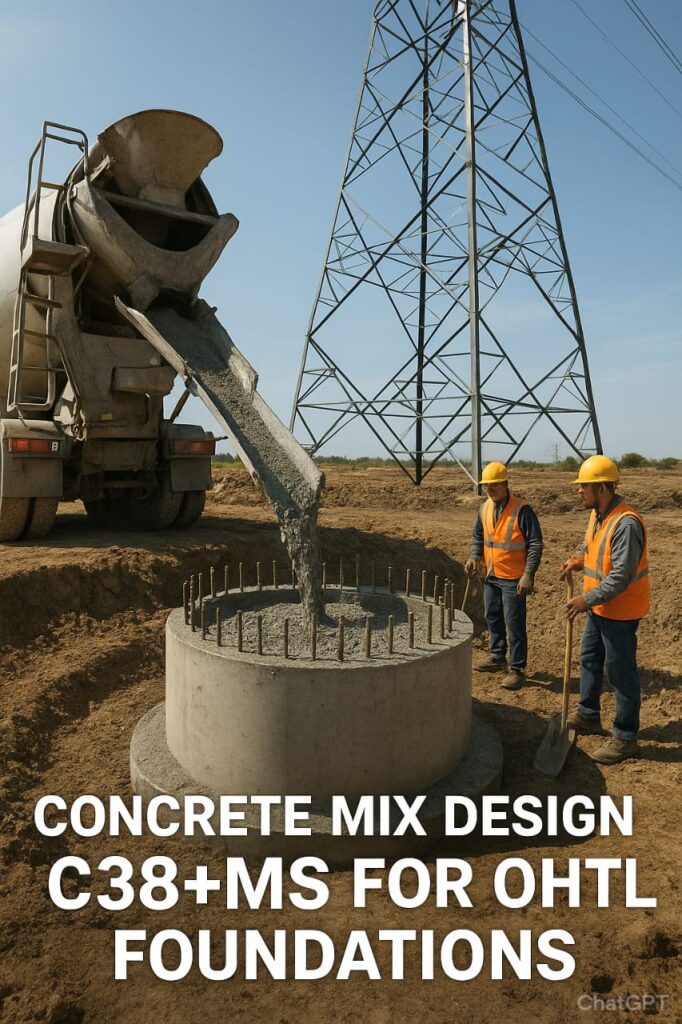
Introduction
Concrete is the backbone of any construction, especially high-voltage overhead transmission line (OHTL) structures. For foundations, poles, and towers, the strength and durability of concrete are critical.
C38+MS concrete is a high-strength mix enhanced with micro silica (MS) to achieve superior compressive strength, durability, and chemical resistance. This article provides a detailed technical guide on the design, materials, advantages, and applications of C38+MS concrete in OHTL projects.
Understanding C38 Concrete – Characteristics and Applications
C38 concrete is defined as having a characteristic compressive strength of 38 MPa after 28 days. Its properties make it ideal for:
- Transmission tower foundations
- Industrial flooring and structures
- Any structure requiring high durability and load-bearing capacity
Key Characteristics:
- High compressive strength: 38 MPa at 28 days
- Moderate workability (slump: 75–100 mm)
- Compatible with admixtures and supplementary cementitious materials

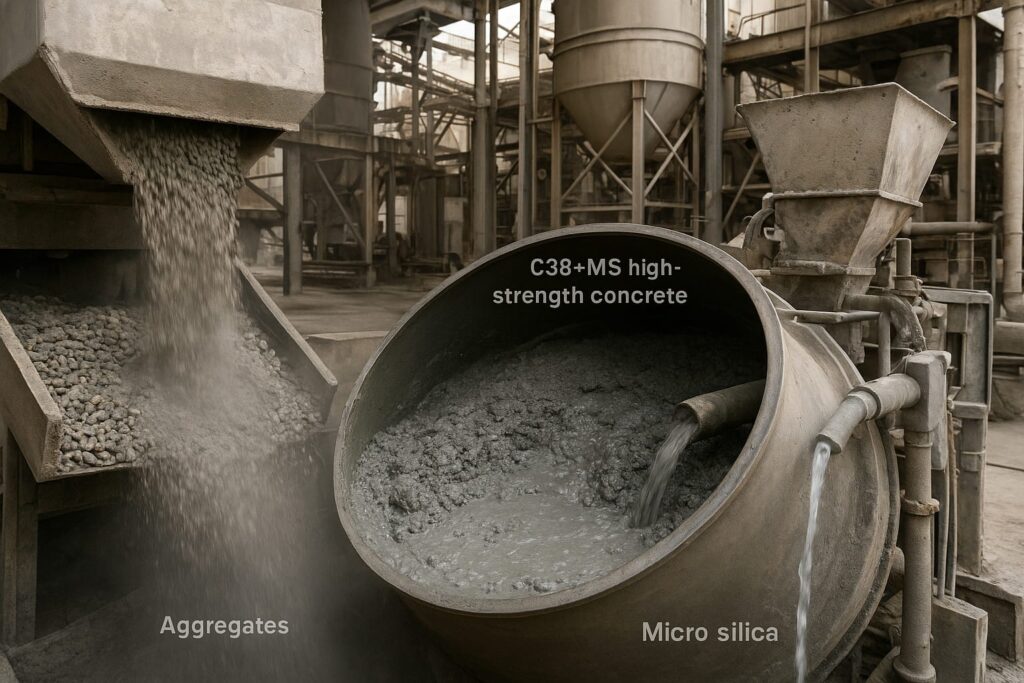
Role of Micro Silica (MS) in High-Strength Concrete
Micro silica is a byproduct of silicon and ferrosilicon alloy production. Its addition to concrete improves:
- Compressive and tensile strength
- Durability against chemical attack
- Reduced permeability and higher density
How it Works:
MS reacts with calcium hydroxide to form additional calcium silicate hydrate (C–S–H), which strengthens the concrete matrix.

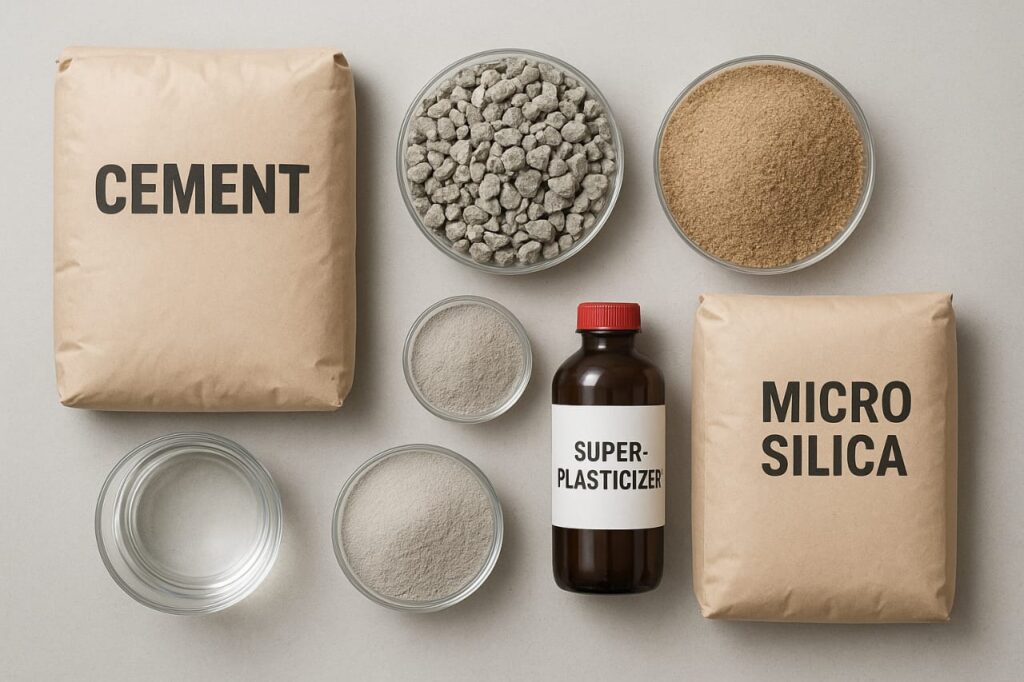
Material Components for C38+MS Mix
| Material | Role | Typical Proportion per m³ |
|---|---|---|
| Cement (OPC 43/53) | Binder | 420–450 kg |
| Water | Hydration | 180–200 kg |
| Fine Aggregate (Sand) | Fills voids | 650–700 kg |
| Coarse Aggregate (10–20 mm) | Bulk & strength | 1000–1100 kg |
| Micro Silica (MS) | Pozzolanic additive | 5–10% of cement weight |
| Superplasticizer | Workability | 1–2% of cement weight |
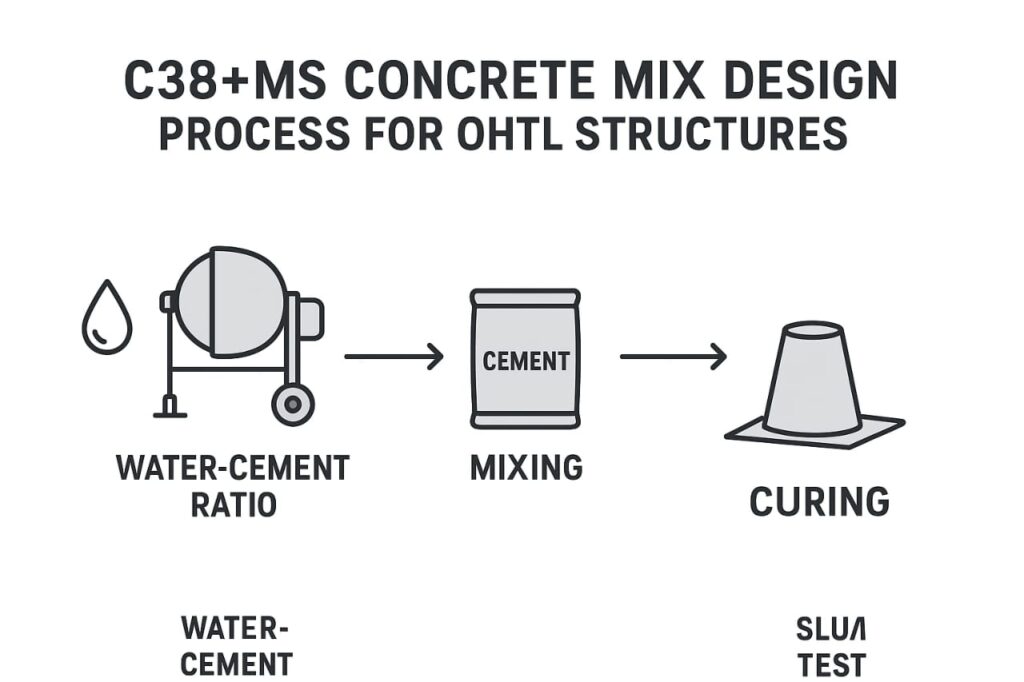
Step-by-Step Mix Design Procedure
- Calculate Water-Cement Ratio – Typically 0.42–0.45 for C38.
- Proportion Materials – Adjust fine and coarse aggregates based on trial mix.
- Dry Mixing – Mix cement, micro silica, sand, and coarse aggregates until uniform.
- Add Water & Admixture – Slowly add water and superplasticizer, mix thoroughly.
- Check Workability – Slump test (75–100 mm recommended).
- Pour & Compact – Place concrete in formwork and vibrate to remove air pockets.
- Curing – Maintain moisture for 28 days to achieve target strength.
ALSO READ ABOUT : PLS-CADD Software Interface: A Step-by-Step Guide for Beginners
Advantages of Using C38+MS for OHTL Structures
- High Strength: Supports heavy transmission towers and reduces foundation size.
- Durability: Resistant to chemical attack and harsh weather.
- Low Permeability: Reduces water and chloride ingress, preventing corrosion.
- Enhanced Workability: Micro silica and superplasticizers ensure easy placement.

Quality Checks and Testing for Approval
To ensure compliance, perform:
- Slump Test: Ensures proper workability
- Compressive Strength Test: 28-day cylinder testing
- Material Certification: Cement, micro silica, aggregates compliance
- Trial Mix Approval: Client/consultant verification before use

Real-World Applications in Overhead Transmission Lines
C38+MS concrete is used in:
- Tower foundations (high-strength, corrosion-resistant)
- Anchor blocks and poles
- High-stress components of transmission lines

Conclusion
C38+MS concrete is a high-performance, durable, and reliable solution for overhead transmission line structures. Its combination of high compressive strength and micro silica enhancement ensures long-lasting performance in harsh environments.
For engineers and contractors, following proper mix design, quality checks, and curing practices is essential to achieve optimal results.