
Introduction: Why Safety Culture Matters in Saudi Arabia
Saudi Arabia is undergoing one of the most ambitious economic and industrial transformations in its history. Driven by Vision 2030, the Kingdom is rapidly diversifying beyond oil and gas into construction, manufacturing, infrastructure, renewable energy, and advanced industries.
With this unprecedented growth comes a critical responsibility: protecting the workforce through a mature and sustainable safety culture.
This article explores the current state of safety culture in Saudi Arabia, the challenges industries face, and practical recommendations for moving from basic regulatory compliance to true cultural integration of health and safety.
Understanding Safety Culture Beyond Compliance
Safety culture is not limited to policies, procedures, or compliance checklists. It represents the shared values, beliefs, and attitudes that determine how safety is perceived, prioritized, and practiced at every level of an organization.
In the Saudi context, safety culture plays a vital role in:
- Sustainable national development
- Workforce well-being
- Long-term industrial productivity
- Global competitiveness
While many organizations in the Kingdom have adopted modern Occupational Health and Safety (OHS) management systems, the real challenge lies in translating these systems into consistent on-site behavior and mindset.
Current Safety Culture Landscape in Saudi Industries
This study examines safety culture across key sectors such as:
- Construction
- Oil and Gas
- Manufacturing
Using qualitative research methods, including interviews with safety professionals, site managers, and frontline workers, the research reveals a mixed but evolving picture.
Key Observations:
- High-level leadership commitment to safety is visible in many organizations
- Advanced safety management systems are increasingly deployed
- However, a gap still exists between written policies and real on-site practices
This gap highlights that systems alone do not create culture—people do.
Major Barriers to Safety Culture Maturity
1. Leadership Influence on Safety Agenda
Leadership plays a defining role in setting safety priorities. While senior management often demonstrates commitment, this does not always translate into daily operational decisions at site level.
True safety leadership requires:
- Visible engagement
- Consistent messaging
- Leading by example
2. Multicultural Workforce Challenges
Saudi Arabia’s workforce is highly diverse and multilingual, bringing different safety perceptions, habits, and cultural backgrounds.
Without:
- Clear communication
- Culturally adapted training
- Language-appropriate materials
Safety messages can lose their effectiveness.
3. Traditional Hierarchical Management Structures
Many organizations still operate within top-down management models, which can limit worker participation.
A strong safety culture depends on:
- Employee empowerment
- Open reporting
- Freedom to stop unsafe work without fear of reprisal
4. Global Standards vs Local Practices
While international safety standards strongly influence Saudi industries, their effectiveness depends on local adaptation rather than direct adoption.
Bridging the Gap: What Truly Improves Safety Culture
The study identifies several proven approaches that significantly enhance safety culture in Saudi organizations:
Effective Communication
Clear, simple, and consistent safety communication tailored to a multilingual workforce is essential.
Continuous and Relevant Training
Training must go beyond formal sessions and focus on:
- Practical scenarios
- Cultural understanding
- Real-life risk awareness
Empowerment of Frontline Workers
When workers feel safe to:
- Report hazards
- Intervene in unsafe acts
- Speak openly
Safety performance improves naturally.
Respect-Based Safety Programs
Programs that respect local traditions and cultural values, while aligning with universal safety principles, create deeper engagement and ownership.
Safety Culture and Vision 2030: A Strategic Link
The success of Saudi Arabia’s Vision 2030 is closely tied to its ability to integrate safety into the national professional mindset. Economic growth without safety sustainability risks long-term setbacks.
A strong safety culture:
- Protects human capital
- Enhances productivity
- Builds international trust
- Supports sustainable development goals
Conclusion: From Compliance to Cultural Integration
This study demonstrates that Saudi Arabia has made significant progress in safety management systems, but the next critical step is cultural maturity.
Moving from compliance-driven safety to value-driven safety culture requires:
- Strong leadership alignment
- Worker empowerment
- Cultural sensitivity
- Continuous engagement at all organizational levels
As the Kingdom advances toward an economic revolution, it has a unique opportunity not only to build a new economy—but to leave behind a legacy of safety, dignity, and well-being for every worker.

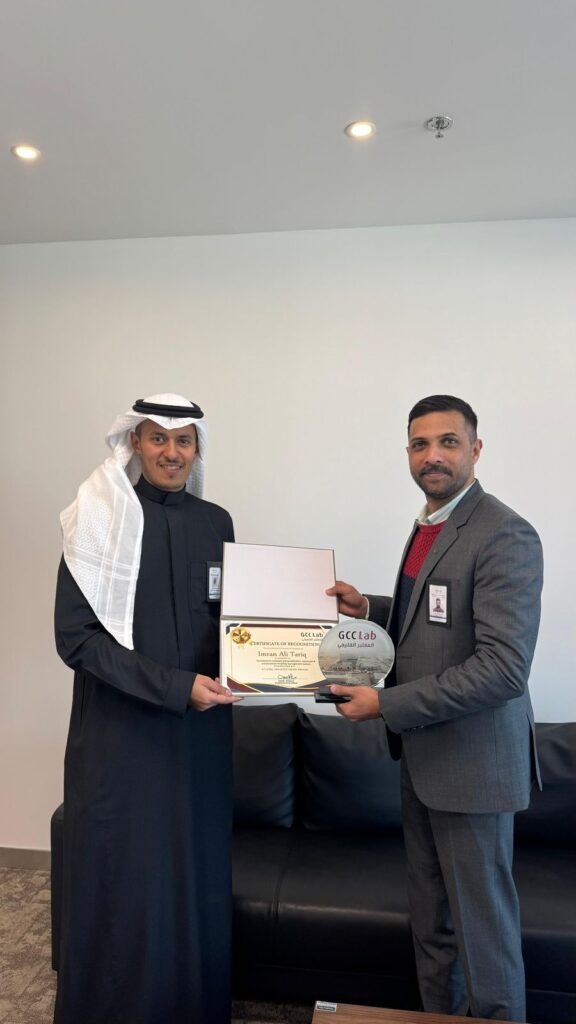
Imran Ali
Sr. EHS Consultant | Risk Assessor | IMS SpecialistCertifications: NEBOSH | IOSH | AISP | L-3 Highfield Trainer | LEEA
ISO Lead Auditor: ISO 45001 & ISO 14001
Approvals: SEC Approved | NWC Approved | OETC Approved
Registration: SCE Registered
LinkedIn Profile
Imran Ali is a highly experienced Environment, Health, and Safety (EHS) professional with a strong background in risk
assessment, Integrated Management Systems (IMS), and regulatory compliance across major infrastructure, utility, and
industrial projects in Saudi Arabia. He specializes in developing and auditing safety management systems aligned with
ISO 45001 and ISO 14001 standards while ensuring compliance with local authorities and client requirements.
Known for his practical, field-driven approach, Imran focuses on strengthening safety culture through leadership
engagement, effective communication, and workforce empowerment. His expertise helps organizations move beyond
compliance toward sustainable, performance-based safety excellence.


